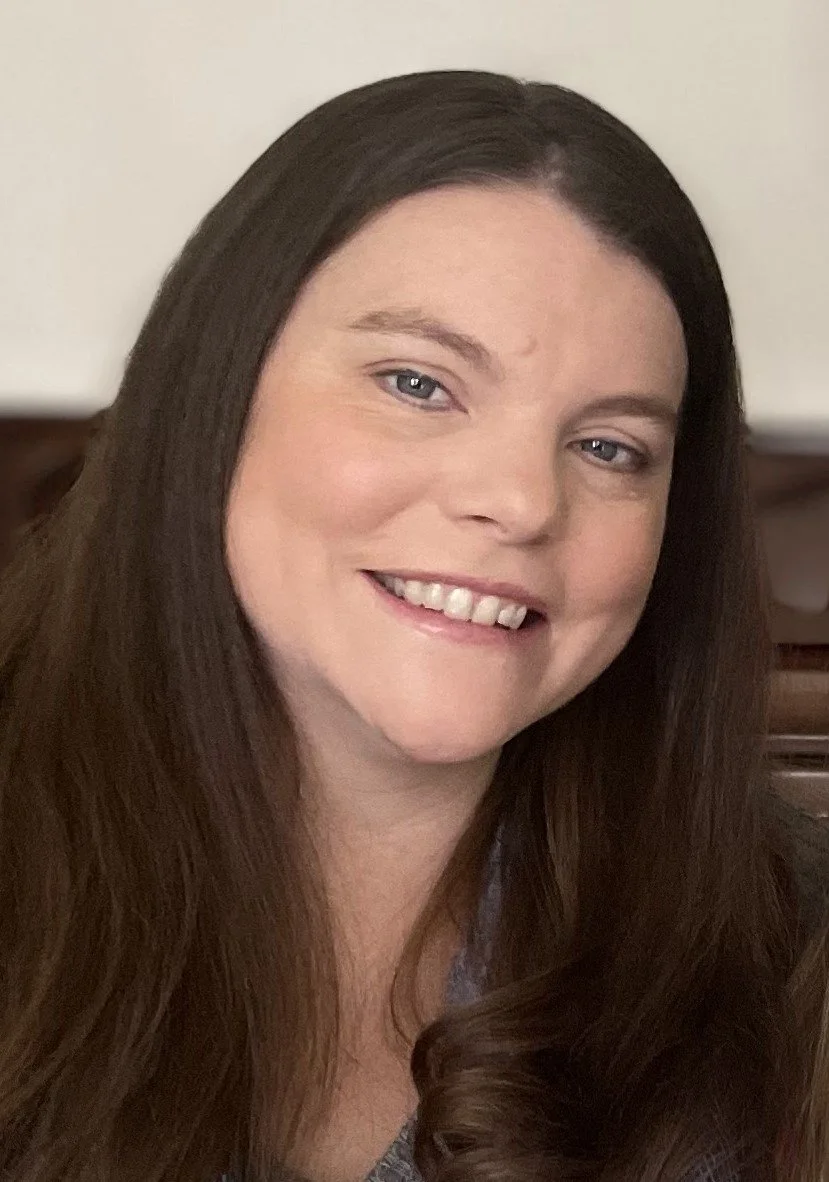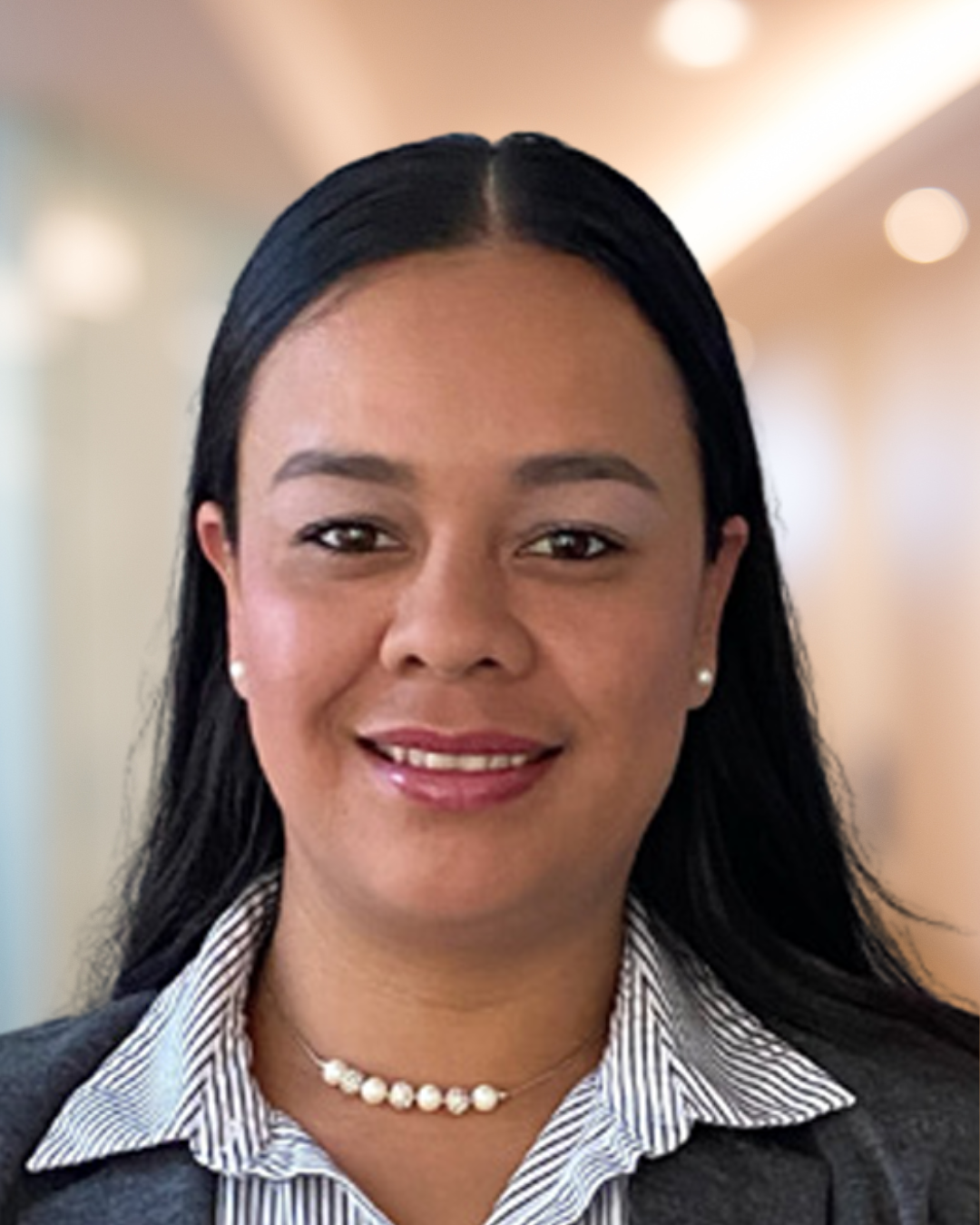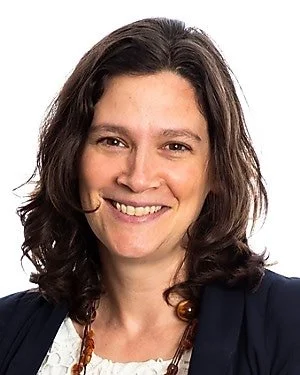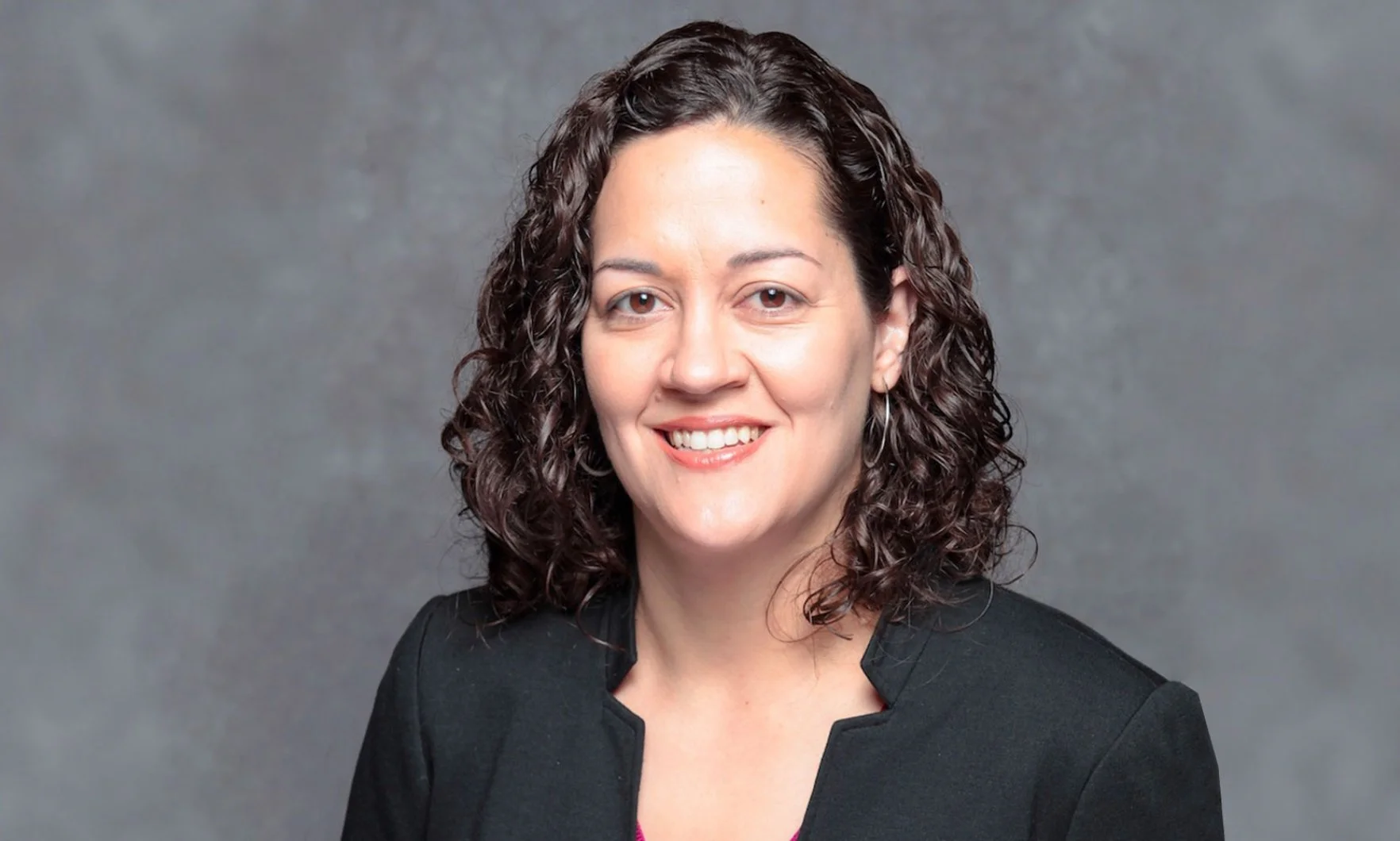
Nuestro Equipo

  • Kiara Alvarez, PhD

    Bloomberg Assistant Professor of American Health

    Johns Hopkins Bloomberg School of Public Health

  • Sarah Polk, MD

    Associate Professor of Pediatrics

    Johns Hopkins University School of Medicine

  • Samantha Schindelheim, PhD, LCSW-R

    Senior Consultant

    Columbia School of Social Work

  • Ellen Molino, BBA

    Research Program Manager

    Johns Hopkins Centro SOL

  • Kaimy Torres-Hernandez, MSPH, CHES®

    Sr Research Program Coordinator

    Johns Hopkins Bloomberg School of Public Health

  • Isabella Perea Caicedo, MHS

    Research Assistant

    Johns Hopkins Centro SOL

  • Grecia Vargas Meléndez, PhD, MSPH

    Graduate Research Assistant

    Johns Hopkins Centro SOL

  • Bev Rosario-Williams, PhD

    Clinical Psychologist and Post-Doctoral Researcher

    Johns Hopkins Bloomberg School of Public Health

  • Maria "Yessy" Marroquin

    Trabajadora de salud comunitaria (CHW)

    Johns Hopkins Centro SOL

  • Josefa Nuñez

    Trabajadora de salud comunitaria (CHW)

    Johns Hopkins Centro SOL

  • The Paloma Parent Advisory Board

Colaboradores y Trainees

  • Rheanna Platt, MD, MPH

    Child Psychiatrist and Assistant Professor

    Johns Hopkins University School of Medicine

  • Amelia Greiner Safi, PhD, MS

    Senior Research Associate

    Cornell University

  • Jennifer Gil, MD, MPH

    Project Consultant

    Cornell Alumni

  • Lecsy Gonzalez, BS, BA

    Project Consultant

    Cornell Alumni

  • Veronica Torres

    CHW Training Consultant

    Johns Hopkins Centro SOL

  • Emma Giarraco, BS

    Johns Hopkins University School of Medicine

  • Dalin Eap, BS

    Johns Hopkins University School of Medicine

family-based preventive intervention

·

culturally adapted psychosocial intervention

·

bilingual delivery

·

family-based preventive intervention · culturally adapted psychosocial intervention · bilingual delivery ·

Program of Work

Paloma is a community-engaged program focused on advancing youth suicide prevention with Spanish-speaking Latine immigrant families. Across this work, we partner with caregivers, community health workers, clinicians, researchers, schools, and community organizations to develop, test, and share culturally responsive strategies that support parent–child communication, family safety planning, and timely connection to care.

Our projects span intervention development, clinical implementation, mixed-methods evaluation, and community dissemination. Together, they reflect PALOMA’s broader goal od partening wih parents of adolescents navigating mental health and suicide risk.
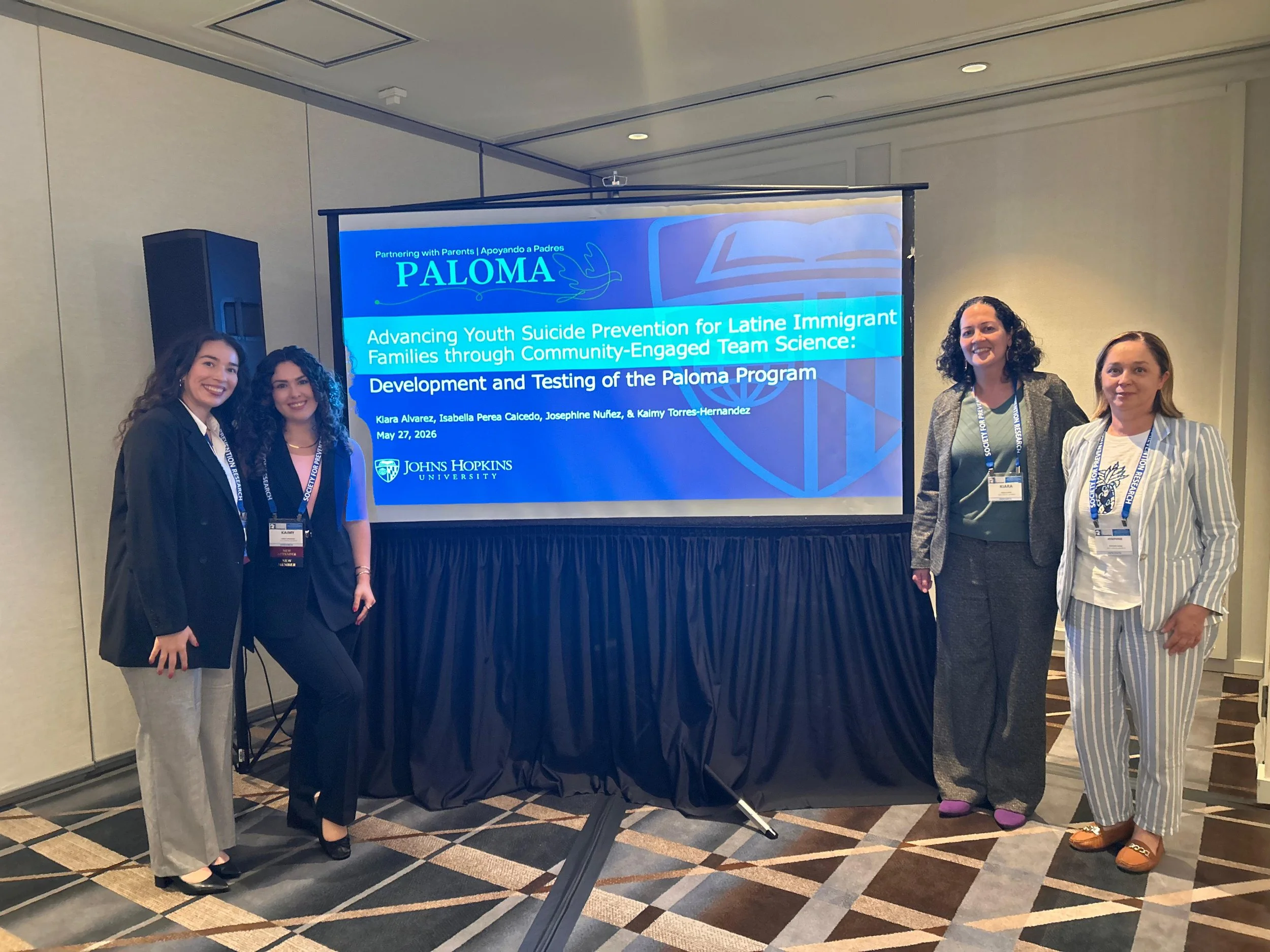
Ongoing Projects

PALOMA and related research efforts have been supported by several grants, including the National Institute of Mental Health( K23MH112841 awarded to Dr. Álvarez and R34MH129771 awarded to Drs. Polk and Álvarez), the Bloomberg American Health Initiative, the American Foundation for Suicide Prevention and American Psychological Foundation, Thomas Wilson Foundation, Johns Hopkins Eudowood Division of Pediatric Academic Quality and Safety. This support has made it possible to develop, adapt, and evaluate culturally responsive suicide prevention and family mental health interventions for Latine immigrant families.

Advancing Youth Suicide Prevention for Latine Immigrant Families through Community-Engaged Team Science

A pilot trial evaluating a CHW-led psychosocial intervention for Spanish-speaking parents and caregivers of adolescents experiencing suicidal thoughts or behaviors. Sessions focus on suicide prevention education, safety planning, lethal means safety, parent–child communication, caregiver self-efficacy, and connection to supportive mental and physical health resources.

Parent Experiences and Implementation Insights

Using rapid qualitative methods, the project explores how parents and caregivers experienced the intervention. Interviews help identify what families found most helpful, what supported or limited participation, and how Paloma influenced communication, safety planning, and support at home.

Enhancing Mental mental Support for Latine Families facing Immigration Stress

In response to needs raised by participating caregivers, Paloma developed and piloted immigration-stress support sessions for Spanish-speaking families. These sessions address family preparedness planning, “know your rights” resources, guardianship planning, coping strategies, emotion regulation, and parent–child communication during periods of uncertainty and stress.

Parent-Led Mental Health and Suicide Prevention Talks

Paloma supports parent-led conversations about adolescent mental health, suicide prevention, and family communication in local school and community settings. These talks create trusted spaces where caregivers can learn from lived experience, discuss warning signs, and build confidence supporting their adolescents.

Non-Suicidal Self-Injury (NSSI) Education for Parents and Providers

We developed educational materials to improve caregivers’ response and management skills of NSSI among youth in Baltimore City for use by parents, pediatricians and community health workers. Building on the Paloma intervention, we aimed to improve guidance around NSSI in the pediatric primary care setting and at home. 

Provider Education on Safety Planning

Worked as a team to create a version of safety plan to be integrated into the electronic medical records software that includes templated language to guide providers through their conversation with the family,  can be completed over multiple visits with the same patient, and can be viewed by any provider caring for patient. We created a training module introducing and reinforcing the use of the safety plan tool, suitable for inclusion in standard primary care provider meetings.  

Universal PHQ-A Screening in Pediatric Primary Care

The project evaluates whether implementing universal adolescent depression screening using the Patient Health Questionnaire for Adolescents increased identification of depressive symptoms and suicide risk in a predominantly Latine pediatric primary care clinic. The work highlights the role of equitable screening practices in improving early identification and connection to care.

Community Dissemination and Family Resources

Paloma translates caregiver feedback and research findings into accessible resources for families, providers, schools, and community organizations. Dissemination activities include psychoeducational materials, community presentations, conference presentations, manuscripts, and tools designed to support Spanish-speaking and immigrant families beyond the research setting.


Future Directions

PALOMA’s long-term mission is to strengthen culturally responsive, family-centered approaches to youth suicide prevention for Latine immigrant families. We aim to support parents and caregivers in feeling more confident, accompanied, and prepared to care for their children’s emotional wellbeing by building skills in communication, stress reduction, safety planning, and connection to trusted community resources. Over time, PALOMA hopes to contribute to systems of care where Spanish-speaking and immigrant families are meaningfully supported and included in shaping mental health solutions that reflect their lived experiences, strengths, and needs.

In the short term, our team is focused on expanding the reach, implementation, and evaluation of PALOMA across additional communities and care settings. Future work includes training more community health workers to deliver PALOMA, strengthening intervention materials based on caregiver and community feedback, and evaluating PALOMA through a larger suicide prevention effectiveness trial. We are also developing complementary education and implementation tools that respond to emerging family and provider needs, including educational materials on non-suicidal self-injury for parents, as well as provider training to support the use of safety planning tools in pediatric primary care. As part of our commitment to mental health equity and family-centered care, we are continuing to evaluate immigration-stress support sessions that help families strengthen preparedness, emotional regulation, and parent-child communication during times of heightened immigration-related stress and uncertainty.